
Welcome to Our Blog Page
At Heritage and Bear, we believe exceptional events start with thoughtful planning, creative ideas and a deep understanding of what people value in shared experiences.
Our insights bring together guidance, inspiration and practical advice for organisations and private clients looking to create memorable events, experiences and hospitality. From corporate summer parties and client entertainment to unique event concepts and venue ideas, we share perspectives designed to help you plan with confidence.
Whether you are organising an event for your team, entertaining important clients or simply looking for inspiration for your next occasion, our articles offer useful insights drawn from real experience within the events and hospitality industry.
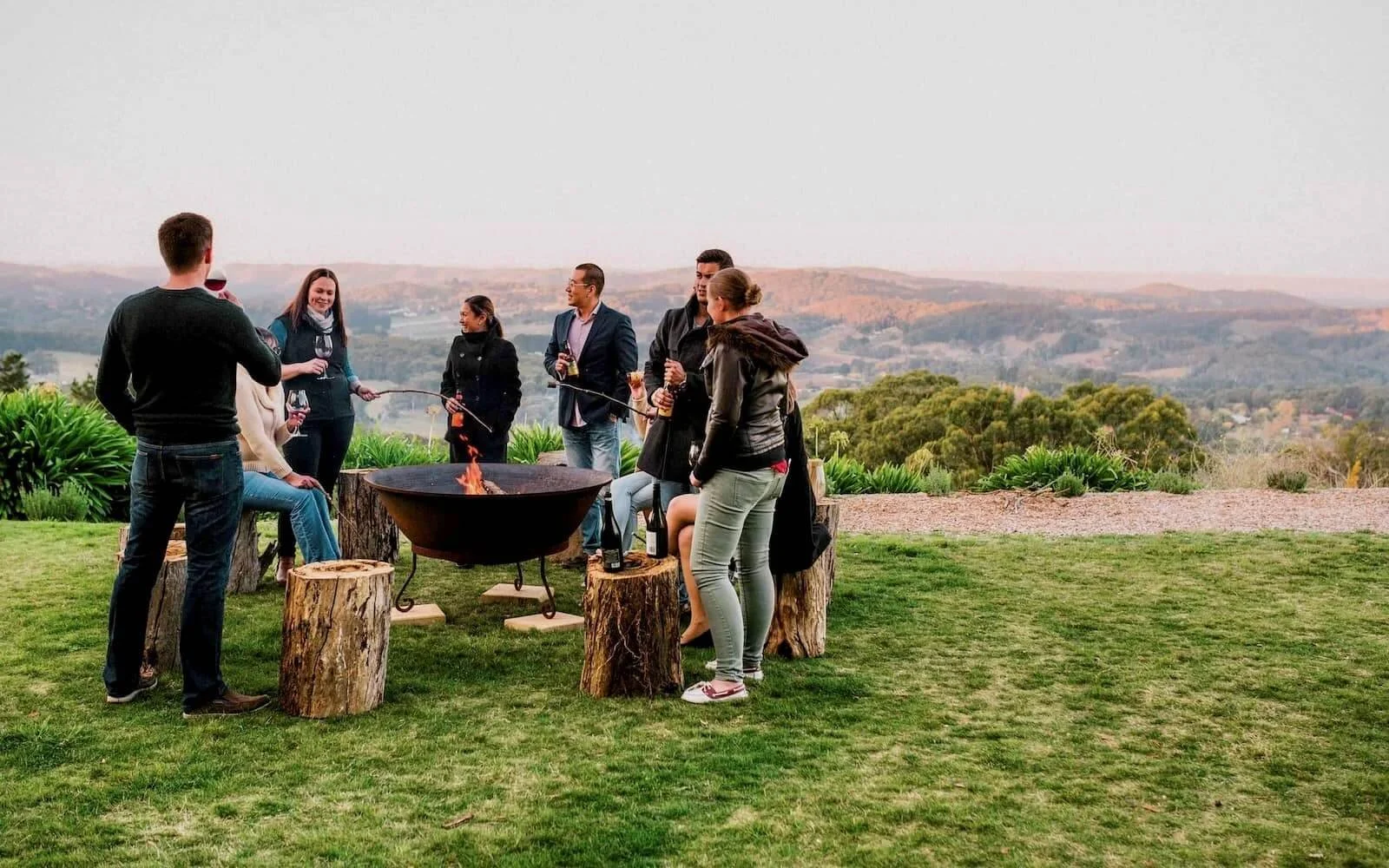
Corporate Retreats Are Changing - What matters in 2026 (and how to stay ahead)
Corporate retreats are no longer just time away from the office — they’re a strategic tool for alignment, engagement and performance.
This guide explores the key trends shaping 2026, from wellbeing-led design to immersive experiences, and how to plan a retreat that delivers real impact.
Explore the key trends shaping corporate retreats in 2026, from wellbeing-led design to immersive team experiences, alongside practical guidance for planning a summer event that actually delivers value.
Why Corporate Retreats Matter More Than Ever in 2026
Corporate retreats have evolved.
What was once a simple social gathering has become a strategic tool for alignment, engagement and culture-building. UK organisations are moving away from surface-level experiences and investing in retreats that are thoughtfully designed, outcome-driven and genuinely memorable.
In 2026, businesses are prioritising experiences that support their people, strengthen relationships and create lasting impact, not just fill a calendar.
Here’s what’s shaping the next generation of corporate retreats, and how to plan them properly.
Wellbeing Is Now Expected, Not Optional
Wellbeing is no longer an added extra, it’s a core expectation.
Employees are increasingly aware of how work impacts their mental and physical health, and organisations are responding by embedding wellbeing into their events in a more meaningful way.
What this looks like:
Structured wellbeing sessions (movement, mindfulness, recovery)
Access to expert-led discussions around stress, performance and balance
Thoughtfully designed downtime built into the agenda
Ideas to consider:
Rotating wellness sessions such as yoga, guided walks or breathwork
Small-group workshops led by credible practitioners
Optional recovery experiences (sauna, cold immersion, spa access)
What to avoid:
Wellbeing shouldn’t feel forced or superficial. Participation must remain optional, inclusive and accessible to all.
Planning insight:
A retreat that ignores wellbeing will feel outdated. The expectation now is depth, credibility and intention, not token gestures.
Experiences That Engage, Not Activities That Fill Time
Traditional “team building” is being replaced by something far more effective: shared experiences that people actually connect with.
Immersive formats encourage collaboration, creativity and reflection in a way that passive sessions simply don’t.
Ideas to consider:
Interactive challenges designed around company values
Multi-day experiences with built-in reflection points
Creative workshops led by skilled facilitators or local experts
What to avoid:
Overly intense or physically demanding formats that exclude part of your team. Flexibility and choice are key.
Planning insight:
The most successful retreats are those people still talk about months later. That only happens when the experience feels considered, not generic.
Food & Drink as a Central Experience
Catering is no longer just a necessity, it’s a defining part of the event.
Shared food experiences create natural moments for conversation, connection and energy that structured sessions often can’t replicate.
Ideas to consider:
Chef-led cooking experiences or collaborative dining
Regional or seasonal tasting journeys
Interactive mixology (with strong non-alcoholic options)
What to avoid:
Overlooking dietary requirements or relying too heavily on alcohol-led formats.
Planning insight:
Investing in food-led experiences often delivers higher engagement than traditional trust-building exercises. It’s one of the most effective ways to elevate the overall feel of a retreat.
Moving Beyond “Good Vibes” to Measurable Outcomes
Organisations are becoming more deliberate in how they evaluate retreats.
There’s a growing focus on understanding the tangible impact, from engagement and alignment to retention and performance.
How this is being approached:
Pre- and post-event feedback to measure sentiment and clarity
Follow-ups at 30, 60 and 90 days
Linking participation to broader business metrics where appropriate
Example considerations:
Do employees feel clearer on company direction?
Has motivation or engagement shifted?
Are teams more aligned in how they work together?
Planning insight:
If the purpose of the retreat isn’t clearly defined from the outset, it risks becoming a cost rather than an investment.
How to Plan a Corporate Summer Retreat
1. Start with Purpose
Be clear on what success looks like, whether that’s alignment, reward, connection or strategy.
2. Build a Realistic Budget
Account for venue, logistics, catering, production, activities and contingency. Clarity early on avoids compromise later.
3. Select the Right Environment
The setting shapes the experience. Consider accessibility, flow of space, accommodation and overall atmosphere.
4. Design the Flow Carefully
Balance structured content with time to connect, reset and reflect. Over-scheduling is a common mistake.
5. Capture Insight & Follow Up
Use feedback and data to understand impact and improve future events.
Why Working With the Right Partner Matters
Delivering a seamless retreat involves far more than choosing a venue and booking activities.
Behind every successful event is detailed coordination, from supplier management and logistics to health & safety, production and contingency planning.
For many internal teams, this sits alongside full-time roles, making it difficult to execute at the level expected.
That’s where working with a specialist partner makes a difference.
At Heritage & Bear, we design and deliver corporate retreats that are considered, well-structured and genuinely impactful. From leadership off-sites to multi-day summer gatherings, every element is carefully curated to ensure the experience feels effortless, while delivering meaningful outcomes.
If you’re planning a corporate retreat for 2026 and want it to be remembered for the right reasons, we’d be happy to support

Corporate Summer Parties: Why They Matter and How to Plan One Well
Corporate summer parties are more than just an opportunity to enjoy good weather. When planned well, they strengthen team relationships, boost morale and create memorable shared experiences away from the office. In this guide, we explore why summer events are so valuable for organisations and how thoughtful planning can turn a simple gathering into a standout occasion.
Organising a corporate event is rarely straightforward. Calendars are packed, budgets are carefully watched, and expectations are high. Yet when done properly, a corporate summer party can deliver far more value than another internal meeting or presentation ever could.
A thoughtfully planned event gives teams the chance to step away from the office, connect on a human level, and recharge for the months ahead.
The Real Purpose of a Corporate Summer Party
At its best, a summer party is much more than drinks in the sunshine.
It creates a shared experience that brings people together outside their normal working environment. Away from inboxes and deadlines, colleagues have the opportunity to connect, celebrate achievements, and enjoy time together in a relaxed setting.
For organisations, these events can achieve several things at once:
Recognising the hard work of the team during the first half of the year
Welcoming new employees into the company culture
Strengthening relationships between departments
Reinforcing a sense of pride in the organisation
A well-delivered summer event reminds people why they enjoy working where they do.
Why Summer Events Work So Well for Teams
One of the biggest benefits of a summer party is the opportunity for natural conversation.
Without a formal agenda, colleagues often speak to people they rarely interact with during the working week. New relationships form, and barriers between departments begin to disappear.
When teams return to the office, those connections can make collaboration much easier. People are more comfortable reaching out, asking questions, and solving problems together.
There is also a genuine wellbeing benefit. Spending time outdoors, enjoying good food, fresh air and a relaxed atmosphere, can provide a welcome mental reset for employees who may have been under pressure for months.
For leadership teams, these occasions also offer a powerful moment to recognise success. A simple thank you from senior leaders, delivered informally during the event, can often resonate far more than a formal presentation in a boardroom.
Why Summer Parties Are Popular with Event Organisers
From an organisational perspective, summer parties offer a level of flexibility that many other events cannot.
They can be tailored to suit almost any company size, style or budget. Some organisations choose a relaxed garden-style gathering with food stations, lawn games and live music, while others opt for larger themed celebrations with entertainment and hosted activities.
The format also tends to appeal to employees, which means attendance is usually high. The promise of good food, sunshine and a chance to leave the office early makes it an easy decision for most people.
When an event runs smoothly and teams leave feeling appreciated, it also reflects positively on the people who organised it.
Planning a Summer Party That Everyone Enjoys
Events that feel effortless on the day usually succeed because the details have been carefully considered in advance.
Choosing the right venue
The venue plays a crucial role in the overall experience. Locations with outdoor space, good transport links and indoor contingency options are ideal. Accessibility should also be considered from the outset to ensure all guests can comfortably attend.
Deciding on the format
Some companies prefer a relaxed drop-in event where guests can mingle freely. Others opt for a structured afternoon with activities, entertainment or short speeches before the evening continues more informally.
Providing a mix of experiences tends to work well. While some guests will head straight for games or the dance floor, others may prefer comfortable seating areas where they can enjoy conversation.
Food and drink
Food and drink are often the details guests remember most. Offering a varied menu, with thoughtful non-alcoholic options and clearly labelled dietary choices, ensures everyone feels included.
Simple touches such as shaded seating, water stations and comfortable spaces to relax can make a significant difference to the overall guest experience.
Creating an Inclusive and Well-Managed Event
Even relaxed events benefit from clear planning behind the scenes.
Providing guests with practical information ahead of time, such as timings, location details and dress guidance helps remove uncertainty and allows people to focus on enjoying the day.
Accessibility and inclusivity should always be considered early in the planning process. Ensuring the venue accommodates mobility needs, offering alcohol-free alternatives, and including activities suitable for different preferences helps everyone feel comfortable and welcome.
Working with experienced event professionals can also make the process far easier. A good event partner will coordinate suppliers, manage logistics, and ensure everything runs smoothly so organisers can focus on their guests.
Extending the Value Beyond the Event
The benefits of a summer party do not end when the event finishes.
Sharing highlights from the day, whether through internal communications, approved photography or short recap messages helps maintain the positive momentum.
Events like these also provide valuable content for employer branding, recruitment marketing and company storytelling throughout the year.
Collecting simple feedback from attendees can also help improve future events and demonstrate the value of investing in team experiences.
Creating Memorable Summer Experiences
Corporate summer parties remain one of the most effective ways to strengthen team culture and reward employees.
With thoughtful planning, the right venue and attention to detail, they can become standout moments in the company calendar, events that colleagues talk about long after the day itself.
At Heritage and Bear, we specialise in curating premium events, experiences and hospitality that bring people together and create lasting memories.
If you are planning a summer event for your team or clients, we would be delighted to help create something truly memorable.
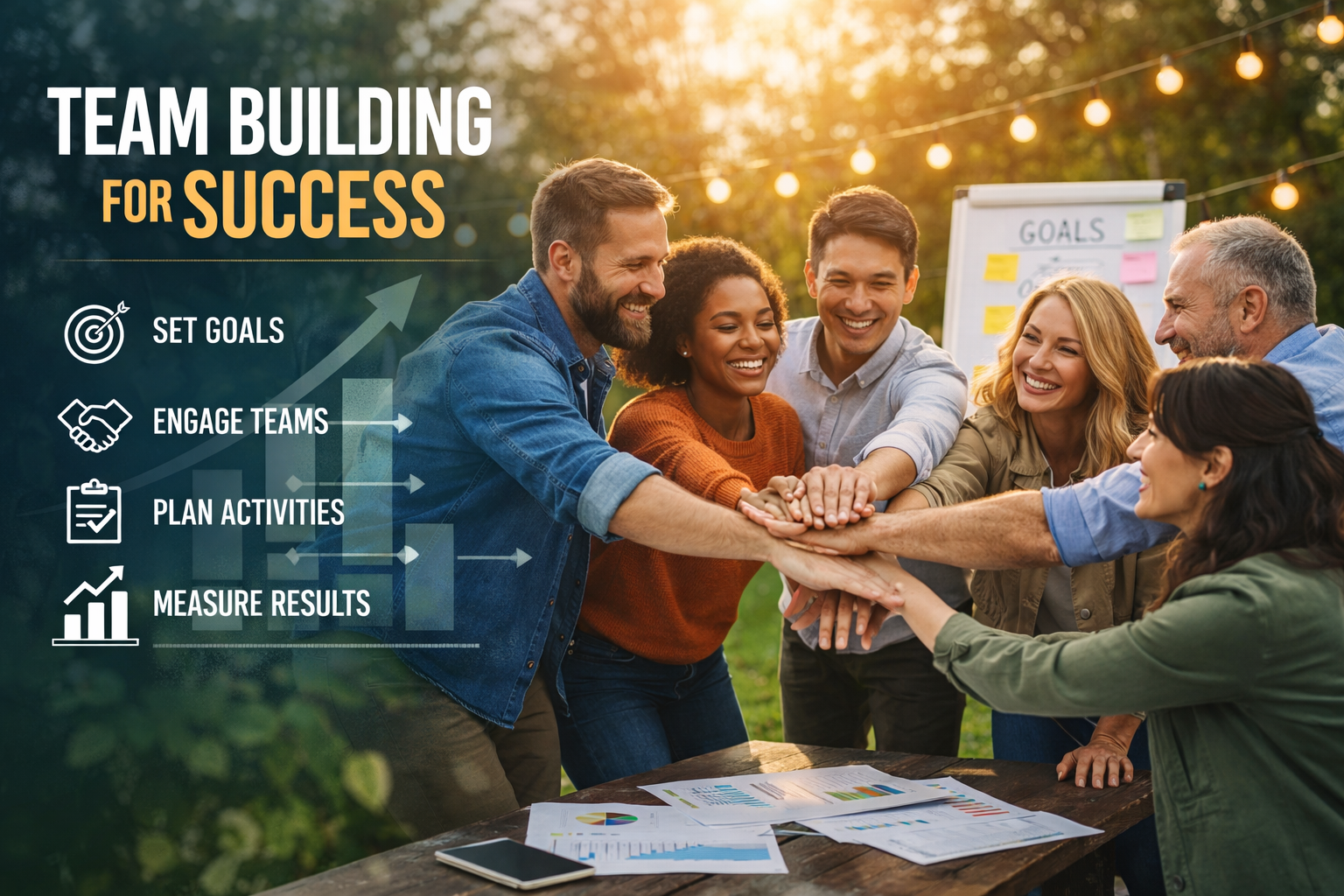
Team Building Event Planning Framework for Measurable Impact
Designing a successful team building event requires more than good intentions. This practical framework outlines how to define clear objectives, select the right partners, and measure meaningful outcomes, ensuring your event drives genuine engagement, stronger collaboration, and lasting impact.
Every leader understands how difficult it can be to convert broad ambitions about teamwork into outcomes you can actually see and measure. Well-designed team building events deliver meaningful results only when they are guided by clear objectives and aligned with organisational priorities. This practical framework walks you through a structured approach to planning events that place purpose, engagement, and evaluation at the core.
Table of Contents
Step 1: Clarify Goals and Define Success Criteria
Step 2: Explore Solutions and Choose the Right Partner
Step 3: Develop Tailored Activities and Finalise Logistics
Step 4: Build Anticipation Through Effective Communication
Step 5: Measure Outcomes and Capture Insights
Quick Overview
Designing a successful team building event starts with clear objectives. Without defined goals, even the most engaging experiences risk becoming enjoyable but ineffective.
Selecting the right provider plays an equally important role. A strong partner brings expertise in facilitation, team dynamics, and experience design, transforming ideas into meaningful outcomes.
Activities should always serve a purpose. The most effective events balance engagement with intention, ensuring every exercise strengthens collaboration, communication, or problem-solving.
Communication sets the tone. Thoughtful pre-event messaging builds anticipation, encourages participation, and creates alignment around the event’s purpose.
Finally, evaluation converts experience into value. Measuring outcomes and gathering feedback ensures your event contributes to long-term team development rather than a standalone moment.
Step 1: Clarify Goals and Define Success Criteria
Effective team building begins with clarity. Before exploring venues or activities, it is essential to define what success actually looks like. Without a well-articulated purpose, even highly engaging experiences may struggle to deliver lasting value.
A useful way to structure your thinking is by considering three distinct layers of objectives.
Operational goals focus on how the event functions. These priorities centre on flow, structure, and execution — ensuring the experience runs smoothly and efficiently.
Behavioural goals address the human element. These objectives target the interactions, communication patterns, and collaborative behaviours you want to encourage or strengthen.
Performance goals look beyond the event itself. They connect the experience to longer-term outcomes, such as improved teamwork, stronger trust, or enhanced problem-solving capability.
By documenting these priorities, you create a strategic reference point that guides every subsequent planning decision.
Practical Tip: A short pre-event consultation with key stakeholders can help validate objectives and align expectations.
Step 2: Explore Solutions and Choose the Right Partner
Selecting a team building provider is less about procurement and more about partnership. The right collaborator does not simply deliver activities — they shape the entire experience and its impact.
Rather than focusing solely on cost, consider the provider’s overall approach.
Methodology and philosophy should align with your objectives. Look for partners who design experiences with intention, not just entertainment.
Facilitator expertise is equally critical. Skilled facilitators influence engagement levels, group dynamics, and the quality of participant interaction.
A proven track record provides reassurance. Case studies, testimonials, and relevant client examples offer valuable insight into delivery capability.
Finally, consider the value created beyond the event itself. Strong providers often contribute frameworks, insights, or follow-up strategies that extend the impact of the experience.
Practical Tip: Preliminary conversations or sample sessions can reveal far more than proposals alone.
Step 3: Develop Tailored Activities and Finalise Logistics
With objectives and partners defined, attention shifts to shaping the experience itself.
Each activity should reinforce your intended outcomes. A balanced programme often blends cognitive challenges, creative exercises, collaborative tasks, and reflection moments. The goal is not simply engagement — it is purposeful engagement.
Equally important is logistical precision. Capture every operational detail:
Venue setup and spatial requirements
Equipment and materials
Accessibility and dietary needs
Scheduling and transitions
Risk management and contingency planning
Thorough preparation minimises disruption and protects the participant experience.
Practical Tip: Perform a site walkthrough or rehearsal to identify potential friction points.
Step 4: Build Anticipation Through Effective Communication
Participant engagement begins long before the event itself. How you introduce and frame the experience directly influences enthusiasm and involvement.
Develop a communication strategy that is informative, motivating, and interactive. Use multiple channels, such as emails, internal platforms and team briefings to ensure consistent visibility.
Strong communication should:
Clearly explain the purpose
Highlight the benefits
Create curiosity and excitement
Invite questions and feedback
Encouraging dialogue builds psychological buy-in and reduces resistance.
Practical Tip: Use a short pre-event survey to gather insights and signal inclusivity.
Step 5: Measure Outcomes and Capture Insights
A successful team building initiative does not end when the event concludes. Evaluation transforms the experience into actionable organisational learning.
Implement a feedback framework combining qualitative and quantitative inputs:
Participant reflections
Facilitator observations
Behavioural indicators
Performance-related metrics
Analyse how team interactions, communication patterns, or collaborative behaviours evolved.
A structured post-event review helps identify strengths, improvement areas, and opportunities for future initiatives.
Practical Tip: Hold a follow-up discussion within two weeks to preserve insight accuracy.
Creating Meaningful Team Experiences
Delivering genuine impact through team building requires thoughtful alignment between objectives, design, execution, and evaluation. When each stage supports the next, events evolve from isolated activities into catalysts for sustained team development.
A deliberate planning approach ensures every investment in team engagement contributes to stronger collaboration, improved communication, and measurable organisational value.
Frequently Asked Questions
How do I set effective objectives for a team building event?
Begin by identifying current team challenges or growth opportunities. Use structured goal-setting frameworks such as SMART to define precise, measurable outcomes.
What should I prioritise when selecting a provider?
Focus on expertise, adaptability, facilitation quality, and evidence of delivering results aligned with organisational goals.
How can activities remain engaging yet purposeful?
Design experiences that naturally integrate collaboration, problem-solving, and communication rather than relying purely on entertainment.
What is the most effective communication strategy?
Use clear, multi-channel messaging that explains purpose, builds anticipation, and encourages interaction.
How do I measure event success?
Combine participant feedback with observable behavioural and performance indicators to assess both immediate and lasting impact.
Well-planned team building events are not simply gatherings, they are strategic opportunities to strengthen relationships, unlock collaboration, and enhance performance when guided by clear intent and careful execution.